Ubunthu Enablers
Social WorkerUbunthu Enablers (Ubunthu Zambia) is a not-for-profit organization registered in 20212 under PACRA, in line with the Companies Act of

Ubunthu Enablers (Ubunthu Zambia) is a not-for-profit organization registered in 20212 under PACRA, in line with the Companies Act of
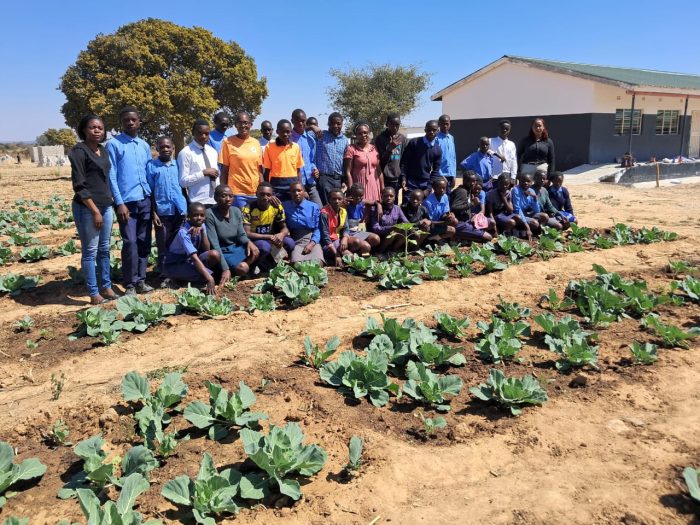
Ubunthu Enablers successfully conducted a comprehensive training session at Shalom School in Choma District, aimed at supporting and inspiring pupils through the School Garden Project. The initiative focused on equipping learners with practical agricultural knowledge and skills to re-frame farming not just as a means of survival, but as a viable business opportunity.
A total of 33 pupils, aged between 12 and 18, eagerly participated in the training. Their enthusiasm was evident as they engaged with the lessons, which they found relatable to their daily lives and community experiences.
Key Topics Covered Included:
Trainer Brenda Michelo from Ubunthu emphasized the significance of crop selection, encouraging pupils to focus on high-demand crops. “You need to understand what crops are in demand and how to grow them efficiently,” she said. “Crops like Cowpeas, sunflower, and vegetables are always in high demand and can generate good income.”
Another trainer, Chippoh Mweemba, conducted a practical session on the safe and effective use of chemicals and manure. She highlighted the advantages of using organic manure: “It is a cost-effective and environmentally friendly way to improve soil fertility and boost crop yields.”
The hands-on nature of the training kept the pupils highly engaged. They participated actively by asking questions, taking part in demonstrations, and working in teams to create business plans, which they later presented to the trainers and their peers.
One of the pupils, Chabota, expressed gratitude for the experience: “We have learned so much about farming as a business and how to make it profitable. We feel empowered to start our own farming businesses and make a difference in our community.”
As the training concluded, the atmosphere was one of pride and optimism. Pupils left with not only new knowledge, but also a renewed sense of purpose—to use their skills to build a better future for themselves, their families, and their community.
The School Garden Project continues to prove that practical, hands-on education in agriculture can be a powerful tool for fostering entrepreneurship, sustainability, and long-term community development.
#UBUNTHUENABLERSSUPPORTINGPROGRESS#