Ubunthu Enablers
Social WorkerUbunthu Enablers (Ubunthu Zambia) is a not-for-profit organization registered in 20212 under PACRA, in line with the Companies Act of

Ubunthu Enablers (Ubunthu Zambia) is a not-for-profit organization registered in 20212 under PACRA, in line with the Companies Act of
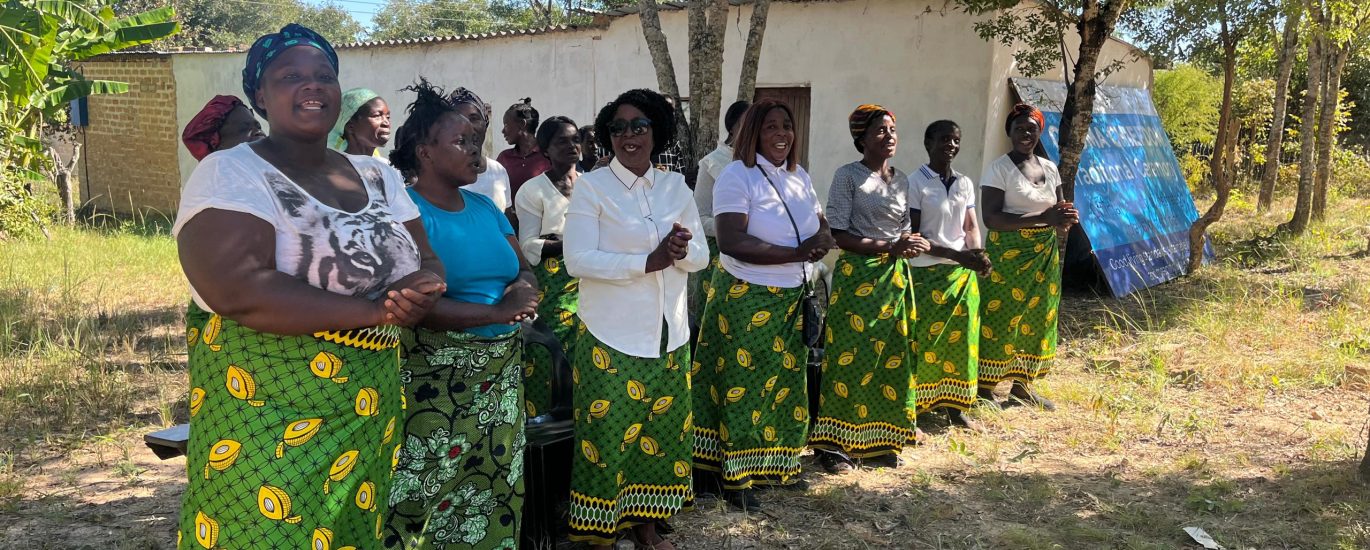
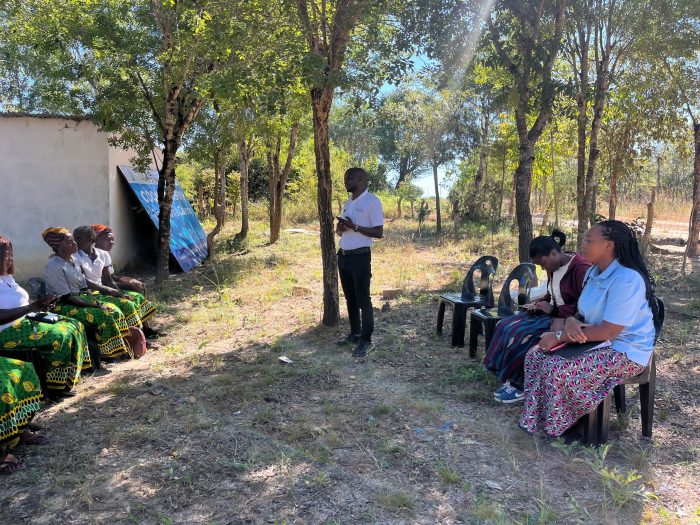
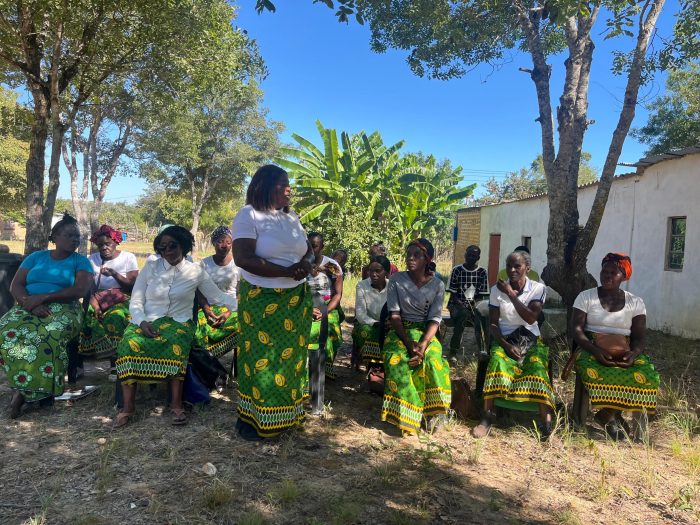
In a significant stride toward rural development, the first phase of a comprehensive goat farming training program concluded successfully in the villages of Singani, Masuku, Nakempa, and Siasikabole, Zambia. A total of 136 participants, including both men and women, engaged in the initiative aimed at enhancing livestock management, promoting farming as a business, and understanding contractual obligations within a broader rural development framework.
Empowering Farmers with Knowledge and Opportunity:The training encompassed three key modules:
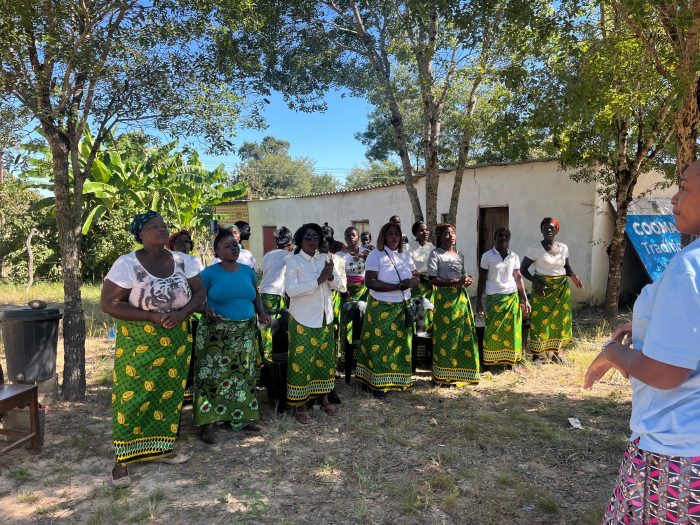
The training emphasized hands-on learning and active community engagement. Participant feedback was overwhelmingly positive, with attendees expressing both understanding and enthusiasm for applying their new knowledge.
Looking Ahead: Phase Two of Training
Building on the success of the first phase, Ubunthu plans a second phase of training with a more intensive, in-depth approach. Farmers will be clustered into two zones for improved coordination and will attend a 3-day residential camp. Topics for the next training phase include:
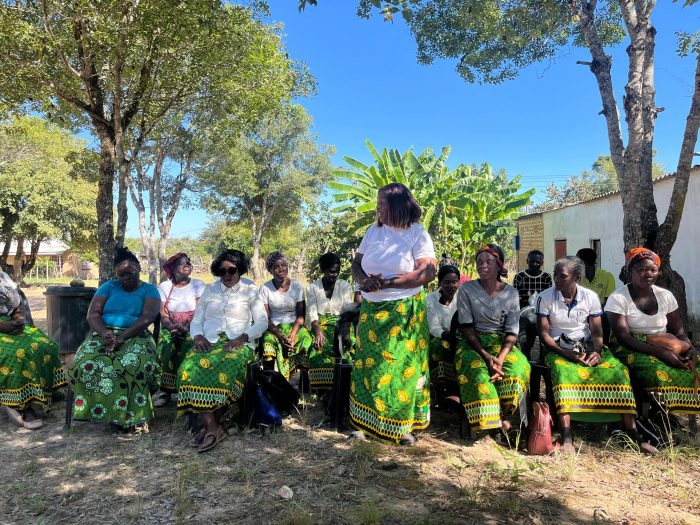
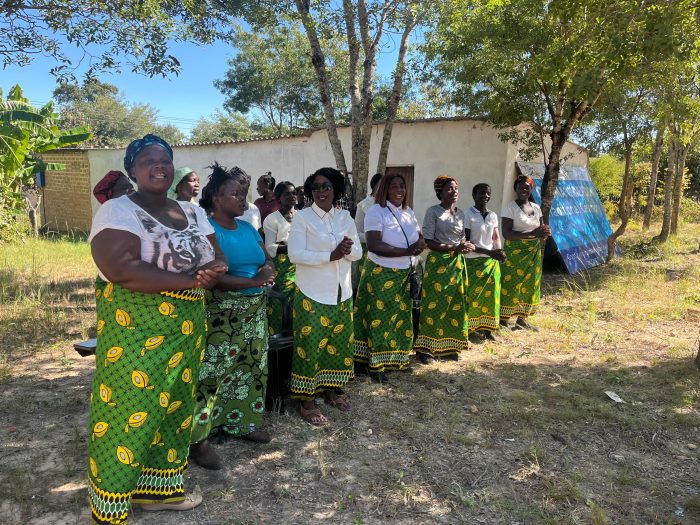
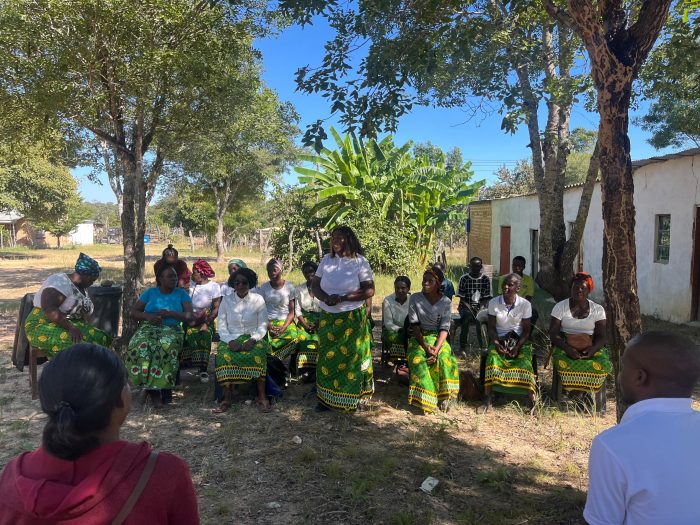
The project is a significant step toward sustainable livestock management and rural entrepreneurship. By equipping farmers with the necessary tools and knowledge, the initiative aims to improve livelihoods and create a ripple effect of growth and opportunity across participating communities. Organizers are optimistic that with continued training and support, these rural communities will not only improve their goat farming practices but also build resilient, profitable agricultural enterprises for the future.