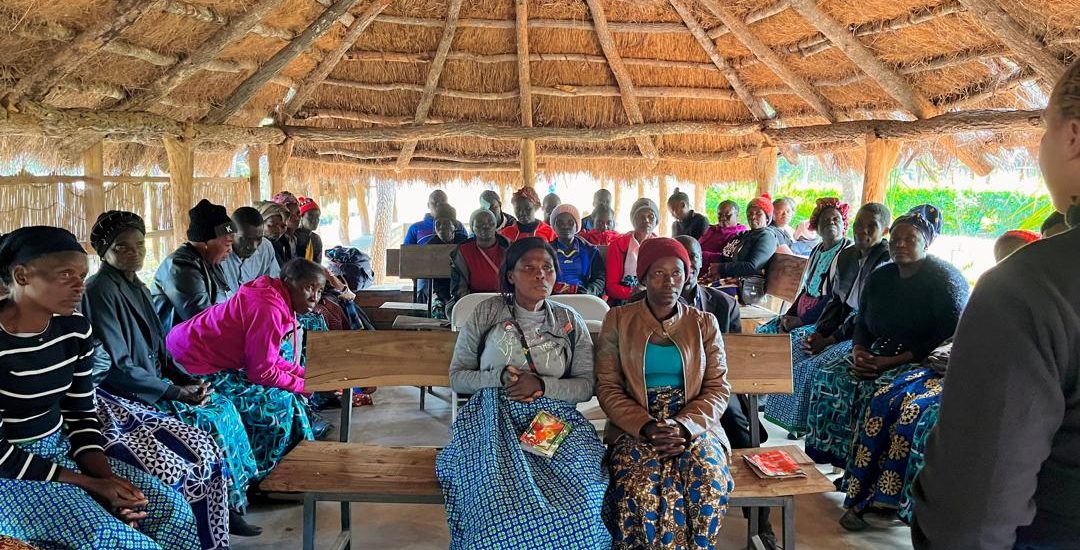
Empowering Livestock Farmers: Successful Goat Rearing Training Camps Held in Mboole and Munzuma
In a major stride toward improving sustainable livestock management, two dynamic Goat Rearing Training Camps were recently held in Mboole and Munzuma areas of Choma district. These sessions brought together 150 dedicated participants—both women and men—united by a common goal: to strengthen their goat-rearing practices and boost household livelihoods through hands-on learning.
Comprehensive Training for Sustainable Impact
The training camps were carefully structured to blend theoretical knowledge with practical application. Interactive demonstrations ensured that each module delivered not just information, but real-world skills that participants could immediately apply. Key areas of focus included:
- Vaccination Schedules: Farmers were trained in effective immunization strategies to combat common diseases such as Peste des Petits Ruminants (PPR) and goat pox. Detailed guidance on timing, dosage, and meticulous record-keeping was emphasized.
- Breeding Cycles & Selection: The sessions explored optimal breeding methods, including heat detection, maintaining healthy buck-to-doe ratios, and improving genetic lines for higher productivity.
- Veterinary Care & Disease Prevention: Participants learned to recognize early signs of illness, apply basic first aid, control parasites, and understand when to call in veterinary professionals.
- Home-Grown Feed Formulation: Practical demonstrations highlighted how to create cost-effective, nutritious feed using locally available materials like crop residues and legumes. Techniques such as silage preparation and urea straw treatment were showcased.
- Farming as a Business: Participants were introduced to enterprise thinking, covering financial planning, cost-benefit analysis, record-keeping, and connecting with markets to increase profitability.
- Tangible Outcomes and Commitments from the Trainings
- The training culminated in notable achievements:
- Formal Commitments: All 10 participating cooperatives signed agreements to implement the learned best practices, signaling a strong collective commitment to better livestock management.
- Skilled Participants: More than 150 attendees left the camps equipped with practical knowledge and renewed motivation to improve goat health, feeding, and breeding techniques.
- Positive Feedback: Feedback was overwhelmingly enthusiastic, with many participants expressing eagerness to transition to modern, sustainable practices.
Looking Ahead: Ensuring Sustainable Progress
Building on the success of the training, a series of targeted follow-up interventions have been scheduled:
- Infrastructure Development
- Goat Housing Inspections: Follow-up visits will evaluate and guide proper shelter design, ventilation, and space standards.
- Shelter Handling Pens: New pens will be constructed to enhance animal safety, hygiene, and ease of care.
- Water Points Installation: Reliable access to clean water will be established for both drinking and sanitation purposes.
- Feed Troughs & Storage Units: Durable feeding equipment will be provided to reduce waste and improve feeding efficiency.
- A formal ceremony to mark the distribution of goats and infrastructure support will be held on 22nd July 2025, at the Mboole Training Center in Choma District.
These training camps mark a pivotal step in transforming goat rearing from a traditional practice into a viable agribusiness. By equipping farmers with both knowledge and tools, and by following through with tangible support, this initiative is set to make a lasting impact on rural livelihoods and livestock productivity in Mboole, Munzuma, and beyond.